
Sidewalk repairs in NYC are a critical responsibility for property owners, driven by the city’s rigorous safety standards, evolving urban challenges, and the need to maintain pedestrian-friendly infrastructure. In 2025, with the NYC Department of Transportation (DOT) enforcing stricter regulations and the city facing intensified climate impacts, understanding the latest trends in sidewalk maintenance is vital. These trends not only help property owners avoid costly fines but also enhance property value, ensure pedestrian safety, and align with NYC’s sustainability goals. This comprehensive guide explores the top trends in sidewalk repairs in NYC for 2025, offering detailed insights into sustainable practices, innovative repair techniques, regulatory updates, and more. By partnering with skilled sidewalk repair contractors and adopting modern solutions like sidewalk concrete repair and strategic sidewalk replacement, property owners can navigate this complex landscape effectively.
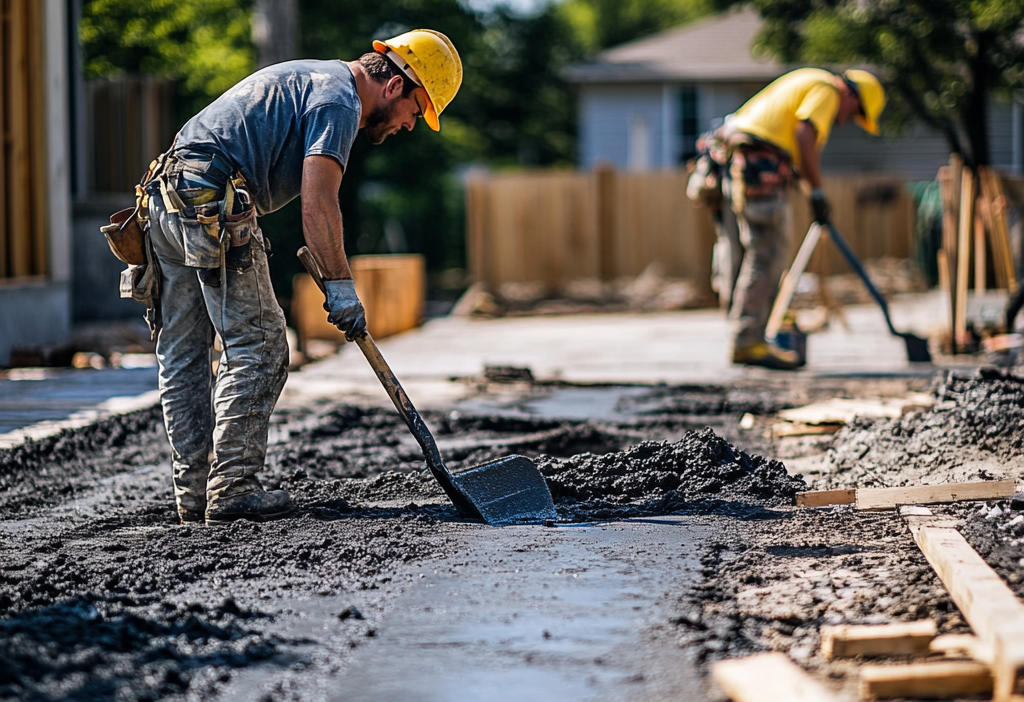
Sustainable Materials Transforming Sidewalk Repairs
Sustainability is reshaping sidewalk repairs in NYC, aligning with the city’s commitment to greener infrastructure under initiatives like the NYC Streets Plan. Eco-friendly materials are becoming standard, offering durability for high-traffic sidewalks while reducing environmental impact.
Permeable Concrete for Enhanced Flood Management
Permeable concrete is revolutionizing sidewalk repairs in NYC, particularly in flood-prone areas like Brooklyn and Lower Manhattan. This material allows water to pass through, reducing stormwater runoff and preventing pooling that damages sidewalks. By mitigating flooding, permeable concrete extends pavement lifespan and supports NYC’s resiliency goals outlined in the Climate Resiliency Design Guidelines. Property owners benefit from lower maintenance costs, as this material reduces water-related damage. Its adoption aligns with the city’s push for sustainable urban planning, making it a top choice for environmentally conscious property owners aiming to future-proof their investments.
Recycled Aggregates in Sidewalk Concrete Repair
Recycled aggregates, such as crushed glass, reclaimed concrete, or iron oxides, are increasingly used in sidewalk concrete repair to minimize environmental impact. These materials provide strength comparable to traditional concrete while supporting NYC’s waste reduction goals. In areas like Queens, where construction waste is a concern, recycled aggregates help reduce landfill contributions. Property owners may face a 10-15% cost premium, but the durability and alignment with green building certifications make it worthwhile. Sidewalk repair contractors specializing in sustainable sidewalk repairs in NYC source high-quality recycled materials to meet DOT standards and aesthetic requirements, especially in historic districts.
Low-Carbon Cement for Eco-Conscious Repairs
Low-carbon cement mixes are gaining traction for sidewalk repairs in NYC due to their reduced greenhouse gas emissions. Using alternative binders like fly ash or slag, these mixes maintain structural integrity while supporting the city’s climate goals. The upfront cost is about 15-20% higher than traditional cement, but the durability and environmental benefits justify the investment. In high-traffic areas like Manhattan, low-carbon cement is ideal for long-lasting sidewalk concrete repair projects that comply with both regulatory and sustainability standards, ensuring sidewalks withstand heavy use and harsh weather.
Advanced Techniques for Efficient Sidewalk Concrete Repair
Innovative repair techniques are transforming sidewalk concrete repair in NYC, offering cost-effective, minimally disruptive solutions that prioritize precision and durability.
Precision Concrete Cutting and Grinding for Trip Hazard Removal
Precision concrete cutting and grinding eliminates trip hazards caused by uneven sidewalks, a common issue in NYC due to tree roots and soil settlement. Using specialized equipment, sidewalk repair contractors smooth height differences, avoiding costly replacements. This method is up to 75% cheaper than full sidewalk replacement and can be completed in hours, minimizing disruption. In 2025, this technique is widely adopted in residential areas like the Bronx, reducing liability risks and ensuring compliance with DOT safety standards. Property owners benefit from safer walkways and cost-effective sidewalk repairs in NYC.
Polyjacking for Rapid Sidewalk Leveling
Polyjacking, or polyurethane foam injection, is a cutting-edge technique for leveling uneven sidewalks. Sidewalk repair contractors inject lightweight, high-strength foam beneath sunken slabs to lift and stabilize surfaces with minimal downtime. Compared to traditional mudjacking, polyjacking is faster, less invasive, and more durable, making it ideal for NYC’s busy urban environment. In neighborhoods like Park Slope, where tree roots are a frequent challenge, polyjacking offers precise leveling at $5 to $10 per square foot, significantly less than replacement costs. This trend is reshaping sidewalk concrete repair in 2025, enhancing safety and aesthetics.
Micro-Concrete for Targeted Crack Repairs
Micro-concrete, a high-strength material, is revolutionizing targeted repairs for cracks and voids in NYC sidewalks. Its fine composition fills small imperfections with precision, preventing water infiltration that worsens damage during freeze-thaw cycles. In NYC’s harsh winters, micro-concrete ensures long-lasting repairs by combating temperature fluctuations. Sidewalk repair contractors apply it using advanced techniques to ensure seamless integration with existing concrete, maintaining functionality and appearance. Costing $3 to $8 per square foot, micro-concrete reduces the need for frequent maintenance, making it a cornerstone of modern sidewalk repairs in NYC for property owners seeking durable solutions.
Strategic Sidewalk Replacement for Long-Term Durability
When repairs are insufficient, sidewalk replacement is necessary to address severe structural damage. In 2025, trends in sidewalk replacement focus on efficiency, compliance, and integration with urban planning goals.
Identifying When Sidewalk Replacement Is Necessary
Sidewalk replacement is required when sidewalks exhibit extensive cracking, significant sinking, or structural failure that repairs cannot fix. In NYC, tree root intrusion and heavy pedestrian traffic often necessitate full replacement to ensure safety and compliance. Property owners should monitor for DOT violation notices, which signal severe damage requiring immediate action. With 2025 regulations imposing fines exceeding $1,000 for unresolved issues, timely sidewalk replacement is critical. Consulting with experienced sidewalk repair contractors helps accurately assess whether replacement is needed, ensuring long-term durability and regulatory adherence.
Cost Factors in Sidewalk Replacement
Sidewalk replacement in NYC costs $12 to $25 per square foot, with a 100-square-foot section typically ranging from $1,500 to $1,800. Factors like location—commercial areas like Midtown Manhattan are more expensive—and material choices influence costs. Sustainable options like permeable pavers may increase expenses but reduce long-term maintenance. Permits, costing $70 for up to 300 linear feet, are mandatory, and sidewalk repair contractors must adhere to DOT specifications. Transparent estimates from reputable sidewalk repair contractors help property owners budget effectively and avoid unexpected costs.
Resilient Designs for Future-Proofing
Incorporating resilient designs during sidewalk replacement is a key trend in 2025, driven by NYC’s climate adaptation goals. Permeable pavers and reinforced concrete manage stormwater and withstand extreme weather, as seen in projects like the East Side Coastal Resiliency initiative. These designs reduce flooding risks and enhance longevity, particularly in areas like the Bronx. Property owners benefit from lower maintenance costs and compliance with evolving standards, making resilient designs a strategic choice for sidewalk replacement projects.
Navigating Stricter Regulations and Sidewalk Sheds
NYC’s regulatory framework for sidewalk repairs is tightening in 2025, emphasizing safety, compliance, and reduced urban disruption through organizations like the NYC DOT.
Understanding DOT Violation Protocols
The NYC DOT issues violation notices for damaged sidewalks, with 2025 regulations increasing fines for non-compliance. Unresolved violations can lead to penalties exceeding $1,000, making timely sidewalk repairs or replacements essential. Property owners must respond within 45 days, either by completing repairs or contesting the violation. Partnering with DOT-approved sidewalk repair contractors ensures swift resolution and adherence to city standards, minimizing the risk of escalating fines and legal issues.
Compliance with Sidewalk Shed Regulations
Sidewalk sheds, required during repairs or facade work, face stricter oversight under Local Law 47 of 2025. These structures must meet safety standards, including proper lighting and stability, to protect pedestrians. Property owners must ensure prompt removal after work to avoid daily fines. Experienced sidewalk repair contractors manage shed installation and removal efficiently, ensuring compliance and minimizing disruption in busy areas like Manhattan.
Streamlining the Permitting Process
Permits, costing $70 for up to 300 linear feet, are mandatory for sidewalk repairs and replacements. The process requires submitting detailed plans to the NYC DOT, aligning with city specifications. In 2025, digital permitting systems streamline approvals, but errors can cause delays. Knowledgeable sidewalk repair contractors ensure accurate submissions, reducing delays and keeping projects on schedule for property owners undertaking sidewalk repairs in NYC.
Eliminating Obstacles for Seamless Access
Obstacles like tree roots, signs, or utility covers can hinder accessibility. During sidewalk repairs in NYC, contractors must mitigate these barriers to create seamless pathways. This involves coordinating with city agencies to address root damage or relocate utilities, ensuring compliance with ADA guidelines, and enhancing usability for seniors and those with disabilities.
Climate-Resilient Designs for Sustainable Sidewalks
Climate change is driving resilient designs in sidewalk repairs, ensuring infrastructure withstands NYC’s extreme weather conditions.
Light-Colored Pavements to Combat Heat Islands
Light-colored pavements, recommended by the Climate Resiliency Design Guidelines, reduce heat absorption and mitigate urban heat islands. These materials are used in sidewalk concrete repair to enhance durability and comfort during hot summers. By reflecting sunlight, they lower surface temperatures, benefiting pedestrians and the environment.
Bioswales and Permeable Surfaces for Flood Control
Bioswales and permeable surfaces are integrated into sidewalk designs to manage stormwater effectively. These features, prominent in projects like the East Side Coastal Resiliency initiative, reduce flooding risks in areas like the Lower East Side. Property owners adopting these designs contribute to NYC’s resiliency efforts while protecting sidewalks from water-related damage.
Durable Materials for Extreme Weather Resilience
Materials like fiber-reinforced concrete and recycled aggregates withstand storms, freeze-thaw cycles, and heavy rainfall. These durable options ensure sidewalks remain functional under challenging conditions, reducing maintenance needs and aligning with NYC’s long-term climate goals.
Technology-Driven Assessments for Precision Repairs
Technology is enhancing the accuracy and efficiency of sidewalk repairs in NYC, providing data-driven solutions for property owners.
GPS-Logged Data for Accurate Assessments
Sidewalk repair contractors use GPS-logged data and GIS integration to assess sidewalk conditions precisely. This technology identifies damage like cracks or unevenness, ensuring targeted repairs that comply with DOT standards. In 2025, this approach is standard among leading sidewalk repair contractors, optimizing repair plans and reducing costs.
Drone Surveys for Large-Scale Projects
Drones survey large properties, providing detailed imagery of sidewalk damage. This method is ideal for commercial properties or multi-block residential areas, where manual inspections are time-consuming. Drone data helps sidewalk repair contractors plan sidewalk repairs in NYC efficiently, ensuring comprehensive assessments and cost savings.
Cost Management Strategies for Property Owners
Effective cost management is crucial for property owners undertaking sidewalk repairs in NYC, balancing quality with affordability.
Budgeting for Sustainable Materials
Sustainable materials like permeable concrete or low-carbon cement may cost 10-20% more upfront, but their durability reduces maintenance expenses. Property owners should factor these savings into budgets, especially for high-traffic sidewalks. Transparent contractor estimates align costs with project goals.
Utilizing Payment Plans for Large Projects
For charges exceeding $250, NYC offers payment plans to ease financial burdens. This option supports extensive sidewalk replacement projects, allowing property owners to spread costs over time while maintaining compliance with DOT regulations.
Comparing Contractor Quotes for Savings
Obtaining multiple quotes from sidewalk repair contractors ensures competitive pricing. Transparency in estimates, including costs for permits, materials, and labor, helps property owners select contractors offering quality work at reasonable rates, maximizing value for sidewalk repairs in NYC.
Community Engagement in Sidewalk Projects
Community involvement is shaping sidewalk repairs, particularly in residential neighborhoods where aesthetics and accessibility are priorities.
Collaborating with Neighborhood Associations
Engaging with neighborhood associations ensures sidewalk designs align with community preferences, such as matching historic district aesthetics in areas like Brooklyn Heights. These partnerships streamline approvals and foster community support, enhancing project success.
Incorporating Public Feedback on Accessibility
Public feedback, especially from disabled residents, ensures sidewalk repairs meet accessibility needs. Involving community stakeholders helps contractors design inclusive pathways, aligning with NYC’s commitment to equitable urban spaces and improving pedestrian experiences.
Training and Certification for Expert Contractors
The expertise of sidewalk repair contractors is critical, with certifications and training becoming key trends in 2025.
DOT-Approved Contractors for Compliance
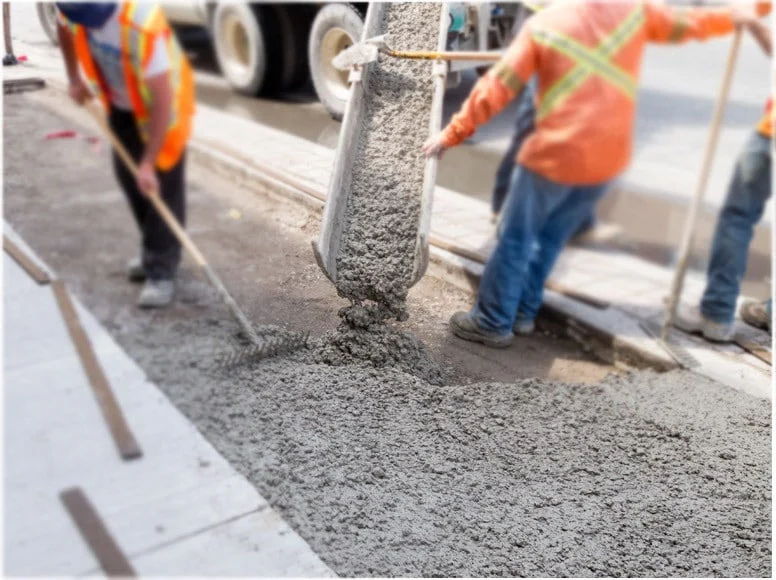
Hiring DOT-approved sidewalk repair contractors ensures adherence to city regulations. These professionals are trained in the latest repair techniques, materials, and compliance requirements, delivering high-quality sidewalk repairs in NYC that withstand urban demands.
Specialized Training in ADA Compliance
Contractors with specialized ADA training ensure that sidewalks comply with 2010 ADA standards, meeting accessibility requirements. Their expertise reduces liability risks and enhances usability for all pedestrians, including those with disabilities.
Certifications in Sustainable Construction Practices
Certifications in sustainable construction are valued as contractors adopt eco-friendly materials and methods. These credentials demonstrate alignment with NYC’s green initiatives, ensuring repairs are durable and environmentally responsible.
In 2025, sidewalk repairs in NYC are defined by sustainability, innovation, accessibility, and resilience. By embracing trends such as eco-friendly materials, advanced repair techniques, and climate-resilient designs, property owners can ensure safe, compliant, and cost-effective sidewalks. Partnering with experienced sidewalk repair contractors is key to implementing these trends successfully. For expert service tailored to NYC’s unique needs, NYC Sidewalk Repair is a trusted provider, offering comprehensive solutions to navigate the evolving landscape of sidewalk maintenance.