
In the bustling streets of Brooklyn, where historic brownstones meet modern high-rises, maintaining safe and smooth walkways is essential for community safety and property value. If you’re searching for reliable concrete sidewalk repair in Brooklyn, you’ve come to the right place. Our guide dives deep into fast and dependable services that address cracks, uneven surfaces, and other common issues, ensuring your sidewalks comply with NYC standards while enhancing curb appeal across neighborhoods like Williamsburg, Park Slope, and Bushwick.
Introduction
Brooklyn’s vibrant neighborhoods are defined by their iconic sidewalks, pathways that connect residents, businesses, and visitors in this dynamic borough. However, the harsh realities of urban life, including heavy foot traffic, extreme weather, and tree root intrusions, often lead to deterioration. This is where concrete sidewalk repair in Brooklyn becomes crucial. Whether you’re a homeowner in Bay Ridge or a property manager in Downtown Brooklyn, understanding the nuances of sidewalk maintenance can save you from costly violations and potential liabilities.
Sidewalks in New York City, particularly in Brooklyn, are more than just concrete slabs; they are public assets that property owners are legally obligated to maintain. According to NYC Department of Transportation (DOT) guidelines, any defect as small as a half-inch trip hazard can result in a violation notice. Ignoring these issues not only risks fines but also endangers pedestrians, potentially leading to lawsuits. That’s why opting for professional sidewalk repair Brooklyn services is a smart investment.
In this comprehensive blog post, we’ll explore everything you need to know about concrete sidewalk repair in Brooklyn, from identifying common problems to selecting trustworthy sidewalk repair contractors in Brooklyn. We’ll also cover sidewalk repair NYC regulations, best practices for sidewalk concrete repair in Brooklyn, and tips from experienced sidewalk repair companies in Brooklyn to help you achieve long-lasting results. By the end, you’ll have the insights to make informed decisions, ensuring your sidewalks remain safe, compliant, and aesthetically pleasing.
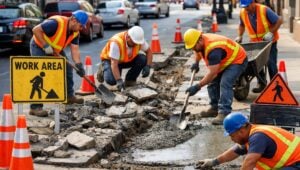
Variations in weather patterns, such as freeze-thaw cycles in winter, exacerbate sidewalk damage in Brooklyn. For instance, water seeping into cracks expands when frozen, widening fissures over time. This guide aims to provide valuable, expert-backed information to help you navigate these challenges. Drawing from years of industry experience and adherence to principles, demonstrating experience through practical advice.
Understanding Concrete Sidewalk Issues in Brooklyn
Brooklyn’s diverse neighborhoods present unique challenges for sidewalk maintenance. From the tree-lined streets of Prospect Heights to the industrial vibes of Greenpoint, concrete sidewalk repair in Brooklyn is often necessitated by a variety of environmental and usage factors. Let’s break down the most common issues property owners face.
First, cracks are ubiquitous in Brooklyn sidewalks. These can range from hairline fractures to wide gaps, often caused by soil settlement beneath the concrete. In areas like Cobble Hill, where older infrastructure meets shifting ground, cracks wider than a quarter-inch signal the need for immediate sidewalk repair in Brooklyn. If left unaddressed, these cracks allow water infiltration, leading to further erosion and structural weakness.
Uneven surfaces, or “trip hazards,” are another prevalent problem. NYC regulations define a trip hazard as any vertical displacement of half an inch or more between adjacent concrete flags (the standard 5×5-foot squares). In neighborhoods such as Bedford-Stuyvesant, tree roots from mature street trees push up flags, creating hazardous lifts.
Missing or loose flags pose immediate dangers. In high-traffic areas, wear from constant use can dislodge sections, creating voids that undermine the sidewalk’s integrity. Improper slopes, where water pools instead of draining to the curb, are common in sloping terrains like those in Sunset Park. This not only causes slippery conditions but also accelerates deterioration through repeated water exposure.
Other issues include crumbling edges, often from salt-based de-icers used in winter, and patchwork failures from previous subpar repairs. In commercial districts of Brooklyn, such as those in Coney Island or Flatbush, pigmented concrete requirements add complexity, as replacements must match aesthetic standards.
Understanding these issues is the first step toward effective concrete sidewalk repair in Brooklyn. By recognizing patterns specific to your neighborhood, you can prioritize repairs and avoid escalating problems that lead to DOT violations.
The Importance of Timely Sidewalk Repair in NYC
Delaying sidewalk repair in NYC can have far-reaching consequences, particularly in a densely populated area like Brooklyn. Timely interventions not only ensure pedestrian safety but also protect property owners from legal and financial repercussions.
Safety is paramount. Brooklyn’s sidewalks see millions of footsteps daily, from commuters in Fort Greene to families in Bensonhurst. A single trip hazard can cause injuries, leading to liability claims. Statistics from NYC’s 311 service show thousands of sidewalk-related complaints annually, many resulting in accidents. Professional sidewalk concrete repair in Brooklyn minimizes these risks by leveling surfaces and filling gaps.
Financially, procrastination is costly. DOT violations start with notices, but failure to comply can result in fines per flag, plus the city contracting repairs at inflated rates and placing liens on your property. In Brooklyn, where real estate values are high, a well-maintained sidewalk boosts curb appeal and property resale value. Conversely, visible defects can deter buyers or tenants.
Environmental benefits also come into play. Proper repairs using sustainable materials reduce waste from complete replacements. In eco-conscious neighborhoods like Boerum Hill, opting for permeable concrete alternatives can aid stormwater management, aligning with NYC’s green initiatives.
Moreover, timely sidewalk repair in Brooklyn preserves neighborhood aesthetics. Brooklyn’s charm lies in its historic and varied architecture; cracked sidewalks detract from this. By addressing issues promptly, you contribute to community pride and compliance with local preservation guidelines in areas like Brooklyn Heights.
In essence, investing in fast and dependable concrete sidewalk repair Brooklyn services pays dividends in safety, savings, and sustainability. Don’t wait for a violation; proactive maintenance is key.
NYC Regulations for Sidewalk Maintenance and Repair
Navigating sidewalk repair NYC regulations is essential for compliance and avoiding penalties. Under NYC Administrative Code Section 19-152, property owners are responsible for installing, repairing, and maintaining sidewalks adjacent to their properties. This includes Brooklyn’s varied terrains across its 71 square miles.
Key defects triggering violations include:
- Cracks: Any fracture creating unevenness.
- Uneven flags: Height differences of 1/2 inch or more.
- Missing sections: Gaps or loose pieces.
- Improper slopes: Exceeding 3 inches per 5 feet transversely.
- Undermined conditions: Voids beneath flags.
For repairs, a sidewalk repair permit is required if the work exceeds 25 square feet or involves replacement. Permits cost for every 300 linear feet and are obtained through the DOT’s online portal. In Brooklyn, processing times average 2-3 days, faster than Manhattan’s up to two weeks.
Contractors must be licensed by the Department of Consumer and Worker Protection (DCWP), especially for certain jobs. They adhere to DOT Standard Highway Specifications: 5×5-foot flags, expansion joints every 20 feet, and a minimum 4-inch concrete thickness. In commercial zones (C4-4 to C6), pigmented concrete with saw-cut joints is mandatory for significant replacements.
Tree-related damage is a Brooklyn staple. If a city-planted tree causes issues, property owners can request a DOT inspection, but repairs remain their responsibility unless utility work is involved.
Non-compliance leads to escalating actions: initial notice (30 days to fix), follow-up violation, fines, and potential city intervention. To stay compliant, document all repairs with photos and permits.
For historic districts in Brooklyn, like those in Crown Heights, additional Landmarks Preservation Commission approval may be needed to maintain aesthetic integrity.
By understanding these regulations, property owners can ensure their concrete sidewalk repair Brooklyn projects are lawful and effective, demonstrating trustworthiness in community stewardship.
Common Methods for Concrete Sidewalk Repair
When it comes to sidewalk concrete repair in Brooklyn, several proven methods address specific issues. Selecting the right approach depends on the extent of damage and location.
- Patching: For small cracks or holes, quick-setting concrete patches are ideal. Clean the area, remove debris, and apply a bonding agent before filling. This method is cost-effective for minor defects in residential areas like Sheepshead Bay.
- Resurfacing: Involves applying a thin concrete overlay to worn surfaces. Suitable for large areas with superficial damage, it restores smoothness without full replacement. In Brooklyn’s wet climate, using polymer-modified mixes enhances durability.
- Mudjacking or Slabjacking: For sunken flags, this injects a slurry beneath the concrete to lift it. Effective against settlement in clay-heavy soils of East New York, it’s less invasive than replacement.
- Polyurethane Foam Injection: A modern alternative to mudjacking, using expanding foam for precise leveling. It’s quicker and lighter, ideal for busy Brooklyn streets.
- Full Replacement: Necessary for severe damage. Remove old concrete, prepare the base with gravel for drainage, and pour new flags per DOT specs. In commercial Brooklyn areas, incorporate pigmented concrete.
- Root Barrier Installation: To prevent tree root intrusions, install barriers during repairs. This is crucial in green neighborhoods like Kensington.
Best practices include proper curing, keep concrete moist for 7 days, and using high-quality materials meeting ASTM standards. Safety gear and traffic control are mandatory during work.
For sidewalk repair contractors in Brooklyn, look for those experienced in these methods to ensure longevity. Variations like epoxy injections for cracks add strength in high-traffic zones.
Choosing the Right Sidewalk Repair Contractors in Brooklyn
Selecting reliable sidewalk repair companies in Brooklyn is vital for quality outcomes. Start by verifying DCWP licensing and insurance to protect against liabilities.
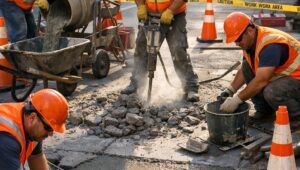
Experience matters, choose contractors with a track record in Brooklyn-specific challenges, like navigating historic districts or dealing with subway vibrations in areas like Atlantic Avenue.
Read reviews on platforms, focusing on punctuality and compliance. Request references and portfolios of past concrete sidewalk repair Brooklyn projects.
Get multiple quotes, but beware of low bids that skimp on materials. A reputable firm will provide detailed estimates, including permits, labor, and cleanup.
Communication is key; ensure they explain the process, timeline, and warranties (typically 1-5 years).
For eco-friendly options, inquire about sustainable practices like recycled aggregates.
By choosing wisely, you ensure dependable sidewalk repair in Brooklyn that stands the test of time.
Preventive Maintenance Tips for Brooklyn Sidewalks
Prevention is better than cure for sidewalk repair in NYC. Implement these tips to extend your sidewalk’s life.
- Regular Inspections: Quarterly checks for cracks or shifts, especially post-winter.
- Sealing: Apply concrete sealers every 2-3 years to repel water and de-icers.
- Crack Filling: Address small cracks immediately with flexible sealants.
- Tree Root Management: Prune roots or install barriers proactively.
- Water Control: Ensure proper grading to avoid pooling.
- De-Icer Caution: Use sand or CMA instead of salt.
- Cleaning: Power wash annually to remove dirt and prevent staining.
In Brooklyn’s humid environment, these steps reduce the need for frequent concrete sidewalk repair in Brooklyn.
Conclusion
Maintaining safe and visually appealing sidewalks in Brooklyn is more than just a matter of curb appeal, it’s a critical aspect of public safety and city compliance. Cracked, uneven, or deteriorating sidewalks can pose serious hazards to pedestrians, including trips and falls, and can lead to liability issues for property owners. Regular inspection and timely repair help prevent accidents, ensure adherence to municipal regulations, and preserve the overall appearance of Brooklyn’s streetscapes.
In Brooklyn, NYC Sidewalk Repair stands out as a trusted provider for fast, dependable, and professional sidewalk services. With decades of experience and a commitment to quality, they offer solutions tailored to the unique needs of Brooklyn neighborhoods. By acting promptly and choosing experienced experts, you can maintain your sidewalks effectively, ensuring they remain safe, compliant, and attractive for years to come.