
In the bustling streets of New York City, where millions of pedestrians navigate daily, maintaining safe and durable sidewalks is not just a matter of aesthetics; it’s a critical responsibility. Sidewalk repair in NYC plays a pivotal role in preventing accidents, complying with city regulations, and preserving property values. Whether you’re a homeowner in Brooklyn dealing with uneven slabs or a commercial property manager facing compliance issues, understanding the benefits of comprehensive sidewalk repair services can save you time, money, and potential liability. This guide delves into the essentials of sidewalk repair in NYC, offering insights to help you make informed decisions for your property.
Introduction to Sidewalk Repair in NYC
Sidewalks in New York City endure relentless wear from heavy foot traffic, harsh weather conditions, and urban infrastructure challenges. Cracks, uneven surfaces, and other defects can quickly turn a simple walkway into a hazard zone. That’s where professional sidewalk repair in NYC comes in, services designed to restore functionality, enhance safety, and ensure long-term durability.
Under New York City law, property owners are primarily responsible for maintaining the sidewalks adjacent to their buildings. This includes repairing damages and addressing violations issued by the Department of Transportation (DOT). Ignoring these can lead to fines, lawsuits from slip-and-fall incidents, or even city-mandated repairs at inflated costs. For residents in areas like Brooklyn, where tree roots and aging concrete are common culprits, partnering with a reliable NYC sidewalk repair contractor is essential.
This article explores the key aspects of sidewalk repair in New York, from identifying common issues to selecting the best sidewalk repair contractors in Brooklyn. We’ll cover regulations, repair techniques, costs, and maintenance tips, all while emphasizing the importance of compliance with NYC standards. By the end, you’ll have the knowledge to tackle sidewalk issues head-on, ensuring your property remains safe and compliant.
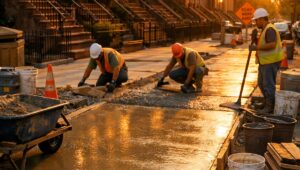
Why Sidewalk Repair in NYC Matters: Safety, Compliance, and Property Value
Sidewalk repair in NYC isn’t optional; it’s a legal and ethical imperative. The city’s Administrative Code, particularly Section, holds property owners accountable for keeping adjacent sidewalks in a “reasonably safe condition.” Failure to do so can result in personal injury claims, where victims seek compensation for medical bills, lost wages, and pain and suffering. In fact, NYC sees thousands of sidewalk-related accidents annually, many preventable with timely repairs.
Beyond liability, well-maintained sidewalks contribute to community safety. Uneven surfaces pose risks to the elderly, children, and those with mobility aids, potentially leading to fractures, sprains, or worse. Durability is another key factor; properly repaired sidewalks withstand freeze-thaw cycles, heavy rains, and urban stressors, reducing the need for frequent interventions.
For property owners, investing boosts curb appeal and property value. A cracked or heaving sidewalk can deter potential buyers or tenants, signaling neglect. In competitive markets like Brooklyn, where Brooklyn concrete repair is often needed due to soil shifts and tree growth, proactive maintenance sets your property apart.
Moreover, compliance with DOT guidelines avoids violations. These notices give owners 75 days (or 10 for emergencies) to fix issues, after which the city may perform the work and bill you, often at higher rates. Understanding these stakes underscores why comprehensive sidewalk repair services are indispensable for NYC properties.
Common Sidewalk Issues in New York City and Their Causes
New York City’s sidewalks face a unique set of challenges due to its dense urban environment, variable climate, and aging infrastructure. Recognizing common problems early can prevent minor defects from escalating into major hazards requiring extensive sidewalk repair.
One prevalent issue is cracks and fractures, often caused by freeze-thaw cycles. Water seeps into small fissures, freezes, and expands, widening the cracks over time. In NYC, where winters can be severe, this is exacerbated by road salt, which accelerates deterioration. Uneven surfaces, another frequent complaint, result from soil settlement, poor initial installation, or tree root intrusion. Tree roots, particularly from species like London Planes common in Brooklyn, push up concrete slabs, creating trip hazards.
Potholes and depressions form from repeated traffic stress or water erosion beneath the surface. These not only collect water, leading to further damage, but also pose immediate dangers to pedestrians. Surface erosion and wear are common in high-traffic areas, where constant footfall and weather exposure degrade the top layer, making sidewalks slippery when wet.
In Brooklyn, specific issues like improper slopes causing water pooling are notable, often linked to the borough’s varied topography. Brooklyn concrete repair frequently addresses these, as neglected slopes can lead to ice buildup in winter. Other causes include utility work disruptions, heavy vehicle encroachments, and natural ground shifts.
According to DOT inspections, defects like loose slabs, hardware protrusions (e.g., from old fixtures), and patchwork from prior repairs are also widespread. These issues not only violate city codes but increase liability risks. Early detection through regular inspections can mitigate them, saving on costly full replacements.
Understanding NYC Regulations for Sidewalk Maintenance and Repair
Navigating the regulatory landscape is crucial for effective sidewalk repair in NYC. The New York City Administrative Code outlines clear duties for property owners. Owners must install, repave, reconstruct, and repair sidewalks abutting their properties at their own expense, including corner quadrants.
The DOT enforces these through inspections and violations. Common defects triggering notices include cracks over 1/2 inch in height difference, gaps wider than 1 inch, improper slopes (must be 1-3 inches per 5 feet from building to curb), and non-compliance with material standards. Sidewalks must use approved materials like concrete (4,000 PSI minimum), with flags typically 5×5 feet where feasible. Patching is limited; full flag replacement is often required.
Permits are mandatory for repairs over 25 square feet or addressing violations. The fee covering inspections. Contractors need a Home Improvement Contractor License from the Department of Consumer and Worker Protection (DCWP).
For tree-related damage, NYC Parks’ Trees & Sidewalks Program offers free repairs for eligible one- to three-family homes, prioritizing severe cases based on lift height, clearance, and crack extent. Independent repairs require Tree Work Permits to protect roots.
Non-compliance can lead to fines starting, escalating with repeat offenses. The city may repair and bill owners, plus administrative fees. In critical sectors, like near hospitals, stricter timelines apply. Staying informed via DOT resources ensures your sidewalk repair in New York meets all standards, avoiding penalties.
The Sidewalk Repair Process: Step-by-Step Guide
Professional sidewalk repair in NYC follows a structured process to ensure compliance, safety, and longevity. Here’s a detailed breakdown:
- Initial Assessment and Inspection: A licensed contractor evaluates the damage, measuring defects against DOT criteria. They identify causes (e.g., roots, settlement) and recommend solutions, like partial patching or full replacement.
- Permit Acquisition: For qualifying work, obtain a DOT Sidewalk Construction Permit. This involves submitting plans showing scope, materials, and compliance with slopes, joints, and ADA standards.
- Site Preparation: Clear debris, mark utilities, and protect adjacent areas. For tree damage, consult NYC Parks for root-pruning approvals.
- Demolition and Removal: Break up damaged concrete using jackhammers or saws, removing debris responsibly. Excavate to subgrade if needed, ensuring stable foundation material.
- Base Preparation: Compact soil or add gravel for drainage. Install reinforcement like rebar for high-stress areas.
- Concrete Pouring and Finishing: Mix and pour approved concrete, leveling to required slopes. Add expansion joints every 20 feet, and finish with brooming for traction.
- Curing and Sealing: Allow 24-72 hours for curing, applying sealants to protect against moisture and salt.
- Final Inspection and Cleanup: DOT inspects for compliance. Remove barriers and restore the site.
This process typically takes 1-3 days for small jobs, longer for extensive ones. In Brooklyn, where Brooklyn concrete repair often involves root management, additional steps like ramping or curving may apply.
Materials and Techniques for Durable Sidewalk Repairs in NYC
Selecting the right materials ensures sidewalk repair in NYC withstands urban demands. Standard concrete (unpigmented or pigmented for commercial districts) is the go-to, offering strength and affordability. It must meet DOT specs: 4,000 PSI, with air entrainment for freeze resistance.
For historic areas, materials like bluestone flags or granite simulate original aesthetics while complying with Landmarks Preservation Commission guidelines. Asphalt hex pavers suit park-adjacent sidewalks, providing permeability.
Techniques vary by issue:
- Crack Sealing: Use flexible polyurethane sealants for minor fissures.
- Grinding and Leveling: Smooth raised edges without full replacement.
- Mudjacking or Polyurethane Injection: Lift sunken slabs by injecting material beneath.
- Root Barriers: Install geotextile fabrics to redirect growth.
- Reinforced Concrete: Add mesh for root-prone areas like Brooklyn.
Sustainable options include recycled aggregates or permeable pavers to manage stormwater. Best practices emphasize full-depth repairs over superficial fixes to prevent recurrence.
Cost Factors for Sidewalk Repair in NYC
Budgeting for sidewalk repair in NYC involves several variables.
Key factors:
- Size and Scope: Larger areas reduce per-square-foot costs but increase totals.
- Damage Severity: Tree root fixes pruning/expansion.
- Materials: Standard concrete is cheapest; specialty like pigmented adds 20-30%.
- Labor and Location: Brooklyn rates may be higher due to access issues.
- Additional Work: Curb repairs or ADA ramps inflate bills.
Hidden costs include fines or city-billed repairs (up to 50% more). Free programs like Trees & Sidewalks can offset costs for eligible properties.
Choosing the Best Sidewalk Repair Contractors in Brooklyn
Selecting a sidewalk repair contractor in Brooklyn requires due diligence. Look for DCWP-licensed pros with DOT experience. The best sidewalk repair contractors in Brooklyn offer free assessments, transparent pricing, and warranties.
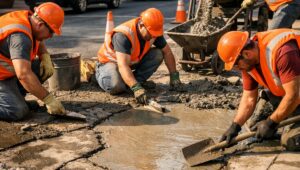
Check reviews on platforms for reliability. Ensure they handle permits and inspections. For NYC sidewalk repair contractors, verify insurance to protect against on-site accidents.
In Brooklyn, where Brooklyn concrete repair is specialized due to local soil and trees, choose firms familiar with borough-specific challenges. Compare quotes from at least three, focusing on value over lowest price.
Preventive Maintenance Tips for Long-Lasting Sidewalks
Preventive care extends the life of your sidewalk repair in NYC. Conduct bi-annual inspections for early cracks or shifts. Clean regularly to remove debris and salt residues.
Seal concrete every 2-3 years to repel moisture. Manage tree roots with barriers or professional pruning. Ensure proper drainage to avoid pooling.
In winter, use sand over salt for traction. Address minor issues promptly to prevent escalation. For Brooklyn properties, monitor for soil erosion common in hilly areas.
Benefits of Professional NYC Sidewalk Repair Services
Hiring experts for sidewalk repair in NYC guarantees compliance, quality, and peace of mind. Professionals use DOT-approved methods, reducing violation risks. They save time and avoid DIY pitfalls like improper slopes.
Durability is enhanced with superior materials and techniques, minimizing future costs. Liability protection comes from documented, insured work. Ultimately, it safeguards your property and community.
As a leading provider, NYC Sidewalk Repair exemplifies these benefits, delivering tailored solutions across the city.
Secure Your Property with Expert Sidewalk Repair in NYC
Sidewalk repair in NYC is essential for safety, durability, and compliance. From addressing common issues like cracks and root damage to navigating regulations and costs, informed action prevents problems. Whether seeking a sidewalk repair contractor in Brooklyn or general NYC sidewalk repair contractors, prioritize expertise.
By investing in professional services, you ensure long-term protection. Don’t wait for a violation, assess your sidewalks today and maintain a safe, valuable property.