
Are you dealing with cracked, uneven, or damaged sidewalks outside your home or business in Brooklyn? Finding affordable sidewalk repair contractors in Brooklyn doesn’t have to be a hassle. With the right expertise, you can ensure compliance with NYC regulations, enhance curb appeal, and avoid costly violations, all while keeping costs manageable. Whether it’s minor fixes or full replacements, professional sidewalk repair contractors in Brooklyn are essential for maintaining safe and attractive walkways in this bustling borough.
Why Sidewalk Repair Matters in Brooklyn
In the vibrant neighborhoods of Brooklyn, sidewalks are more than just pathways; they’re vital to community safety, property value, and urban aesthetics. As a property owner, whether residential or commercial, you’re responsible for keeping these areas in top condition. That’s where sidewalk repair contractors in Brooklyn come into play. These experts specialize in addressing everything from minor cracks to major structural issues, ensuring your sidewalks meet the stringent standards set by the New York City Department of Transportation (NYC DOT).
Brooklyn’s diverse architecture and heavy foot traffic make sidewalk maintenance a common concern. From historic brownstones to bustling commercial strips in Williamsburg, issues like tree root upheaval or weather-related wear can lead to hazards. Hiring a skilled sidewalk repair contractor in NYC can prevent accidents, legal liabilities, and fines. In fact, regulations mandate that property owners handle repairs, with violations potentially costing thousands if ignored. This blog post dives deep into finding affordable options, understanding the process, and gaining insights to make informed decisions. We’ll cover common problems, costs, selection tips, and more, all tailored to sidewalk repair in NYC for homes and businesses.
By integrating best practices and real-world advice, you’ll learn how to choose concrete contractors in New York who deliver quality without breaking the bank. Let’s explore how to keep your Brooklyn sidewalks safe, compliant, and cost-effective.
Understanding the Role of Sidewalk Repair Contractors in Brooklyn
Sidewalk repair contractors in Brooklyn play a crucial role in urban maintenance. These professionals are trained to handle concrete work specific to NYC’s environment, where freeze-thaw cycles, heavy rains, and root growth from street trees often cause damage. Unlike general contractors, specialized sidewalk repair contractors in Brooklyn focus on DOT-compliant repairs, ensuring longevity and safety.
What sets a good sidewalk repair contractor in NYC apart? They understand local codes, use high-quality materials like reinforced concrete, and offer services ranging from patching to full flag replacements. For businesses, this means minimizing disruptions during repairs, while homeowners benefit from enhanced property aesthetics. In Brooklyn, where sidewalks can span 5×5 foot flags as per city standards, contractors must adhere to precise specifications to avoid rework.
Insights from industry experts highlight that preventive maintenance by sidewalk repair contractors in Brooklyn can extend sidewalk life by 10-15 years. This involves regular inspections for cracks wider than 1/4 inch or height differences exceeding 1/2 inch, which are common trip hazards. For curb repair in Brooklyn, which often accompanies sidewalk work, contractors integrate seamless transitions to prevent water pooling and erosion.
Variations in services include eco-friendly options, like permeable concrete to reduce runoff, increasingly popular in green-conscious Brooklyn neighborhoods. Whether you’re in Bushwick or Brooklyn Heights, engaging a local sidewalk repair contractor in NYC ensures familiarity with borough-specific challenges, such as soil subsidence in areas near the waterfront.
Common Sidewalk Problems in NYC and How to Spot Them
Sidewalk issues in NYC are prevalent due to the city’s harsh weather and high usage. Recognizing these early can save you from expensive fixes later. Here are some of the most common problems faced by property owners in Brooklyn:
- Cracks and Fractures: Often caused by freeze-thaw cycles, these start small but widen over time. In NYC, cracks over 1/4 inch are considered defects and can lead to violations. Spot them by looking for linear breaks that collect debris or water.
- Uneven Surfaces and Trip Hazards: Tree roots are a major culprit, lifting slabs and creating height differences. NYC DOT defines a trip hazard as any vertical displacement of 1/2 inch or more. In Brooklyn, mature trees in areas like Prospect Heights exacerbate this.
- Potholes and Depressions: These form from soil erosion beneath the concrete, often due to poor drainage. They pose slipping risks, especially in rainy weather common to NYC.
- Improper Slope: Sidewalks should slope gently for water runoff, typically 1-2% grade. Improper slopes lead to pooling, accelerating deterioration, and creating hazards.
- Collapsed or Sinking Sections: Caused by underground leaks or heavy loads, these are critical in commercial areas with delivery traffic.
- Surface Spalling: Flaking or chipping from salt use in winters, weakening the concrete over time.
- Drainage Issues: Poorly designed curbs can cause water to back up, leading to foundational erosion.
For curb repair in Brooklyn, watch for crumbling edges or misalignment with the street. Business owners should note that high-traffic sidewalks wear faster, requiring more frequent checks. Homeowners can perform DIY inspections quarterly, but professional assessments by sidewalk repair contractors in Brooklyn are recommended annually to catch issues early.
Environmental factors like NYC’s clay-rich soil contribute to shifting, while tree roots account for up to 50% of violations in treed neighborhoods. Inadequate maintenance, such as ignoring minor cracks, leads to larger problems. Material degradation from age, most NYC sidewalks are 20-30 years old, also plays a role.
NYC Regulations and Responsibilities for Sidewalk Repair
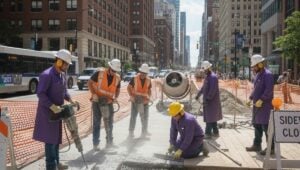
Navigating regulations is key to avoiding penalties. In New York City, property owners are liable for maintaining adjacent sidewalks, including repairs and snow removal. This non-delegable duty means owners can be sued for injuries caused by neglect.
The NYC DOT issues violations for defects like cracks, uneven flags, or hardware issues. Owners have 75 days to repair after notice, or the city may do it and bill you, often at inflated costs. For repairs, contractors need a home improvement contractor license from the Department of Consumer and Worker Protection (DCWP).
Sidewalk specs include 4-inch thick concrete for residential, 7-inch for commercial near driveways, with expansion joints every 20 feet. Slopes must be 1:50 transverse and 1:20 longitudinal max. Permits linear feet, covering inspections.
For parks-adjacent sidewalks, NYC Parks may handle repairs if below their threshold, but owners can request reinspections every three years. In Brooklyn, where many properties are city-owned or multi-family, responsibilities vary. The city handles one-to-three family owner-occupied homes in some cases, but generally, it’s on the owner.
Learning from Trusted Forums and Organizations
When it comes to foundation maintenance, learning from both community experiences and professional guidance can make a big difference. Online forums, such as the Home Improvement Forum, provide a space where homeowners and experts share practical tips, challenges, and solutions related to foundation repairs. Reading these discussions can help you understand typical costs, repair methods, and lessons learned from others who have faced similar issues.
In addition to forums, consulting reputable organizations strengthens your knowledge base. The National Association of Home Builders, for example, offers verified guidance on repair techniques, materials, and maintenance schedules. Using insights from these trusted sources together allows you to make informed decisions about repair timing, appropriate materials, and overall project planning.
Selecting the Right Concrete Foundation Contractor
Hiring a skilled contractor is critical to ensuring repairs are long-lasting and effective. Begin by confirming that contractors have proper licenses and insurance coverage, which protects both you and your property. Take time to read reviews and ask for references to evaluate the quality of their past work and reliability.
Request comprehensive cost estimates and clear project timelines before committing to any work. Avoid companies that pressure you into unnecessary repairs, as ethical professionals focus only on what your foundation truly needs.
How to Choose Affordable Sidewalk Repair Contractors in Brooklyn
Selecting the right sidewalk repair contractors in Brooklyn involves research to ensure affordability, quality, and compliance. Start by checking licenses; contractors must be DCWP-registered for work. Look for DOT-approved pros familiar with Brooklyn’s terrain.
Get multiple quotes, aim for 3-5 from local firms. Affordable doesn’t mean cheapest; factor in warranties, typically 5-10 years on materials. Reviews on platforms highlight top contractors.
Key questions to ask:
- Experience with DOT violations?
- Insurance coverage (liability min $1M)?
- Timeline and disruption minimization?
- References from Brooklyn projects?
For concrete contractors in New York, verify BBB ratings and online testimonials. Avoid unlicensed operators to prevent subpar work leading to re-violations.
Affordability tips: Bundle services like curb repair in Brooklyn with sidewalk work for discounts. Opt for seasonal deals in spring/fall. Local Brooklyn firms like Brooklyn Sidewalk Repair Pros offer free inspections.
Reputation matters; choose those with 4+ star ratings and portfolios. For businesses, select contractors experienced in commercial scales to avoid downtime. By prioritizing licensed, reviewed pros, you’ll find a sidewalk repair contractor in NYC that balances cost and expertise.
The Sidewalk Repair Process: Step-by-Step Guide
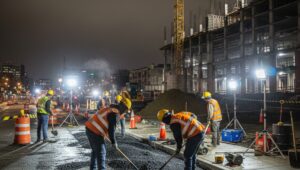
When it comes to maintaining safe and attractive sidewalks, understanding the repair process is essential, especially if you’re hiring sidewalk repair contractors in Brooklyn. A clear understanding of each step ensures smooth project execution, minimizes surprises, and guarantees durable results. Below is a detailed guide to the sidewalk repair process.
- Inspection and Assessment
The first step in any sidewalk repair project is a thorough inspection by a professional contractor. During this stage, the contractor evaluates the extent of the damage, measuring individual concrete slabs (commonly referred to as “flags,” typically 5×5 feet) and checking for cracks, uneven surfaces, or crumbling areas. They also identify the underlying causes of the damage, such as tree root growth, soil erosion, water infiltration, or heavy foot traffic. A reliable contractor will often provide a free quote as part of this assessment, which includes a breakdown of the repair needs, materials, and estimated costs. Proper assessment is crucial to prevent recurring issues and ensure the repair addresses the root cause, not just the symptoms. - Permit Application
In Brooklyn, repairing sidewalks usually requires a permit from the Department of Transportation (DOT). The permit application process involves submitting detailed plans that outline the repair methods, materials, and safety measures to ensure compliance with local regulations. A DOT-approved permit helps avoid fines or legal issues, and it guarantees that the work meets municipal standards for public sidewalks. Experienced contractors often handle this step, making the process easier for homeowners or business owners. - Demolition and Removal
Once the permit is approved, the next step is demolition. The damaged concrete is broken up and removed carefully. Contractors use specialized tools to ensure the surrounding sidewalks remain intact. If the damage is caused by tree roots, the contractor may prune roots or install root barriers to prevent future cracking. Proper debris removal is essential for a clean site and ensures the new concrete can be installed without complications. - Site Preparation
After removing the old concrete, the site must be prepared for the new pour. This involves leveling the base with a layer of gravel or sand and compacting it to create a stable foundation. Proper slope and drainage are critical during this stage to prevent water pooling, which can lead to early deterioration. Correct site preparation lays the groundwork for a long-lasting sidewalk. - Concrete Pouring
With the base ready, the contractor pours high-strength concrete, typically a 4000 PSI mix, into the prepared area. Expansion joints are installed to accommodate temperature changes and prevent cracking. Proper pouring techniques are essential to ensure the concrete is evenly distributed, adequately compacted, and forms a smooth surface. For curb repairs in Brooklyn, the sidewalk and curb can be poured simultaneously to create a seamless, professional finish. - Finishing and Curing
Once poured, the concrete is finished to improve traction and appearance. A broom finish is often applied, giving the surface a slight texture that reduces slipperiness. Sealants may also be applied to protect against water, stains, and freeze-thaw damage. Curing is critical, concrete should be allowed to set undisturbed for 24 to 48 hours, and traffic should be kept off the area for at least seven days for optimal strength. - Final Inspection
The last step is the final inspection, usually conducted by the DOT. The inspector ensures the work meets safety standards, municipal regulations, and project specifications. Once approved, a certificate of completion is issued, officially marking the repair as compliant and ready for public use.
To maximize the durability and effectiveness of your sidewalk repair, schedule work during dry weather, avoid heavy traffic until the concrete has fully cured, and consider eco-friendly options such as recycled aggregates in the concrete mix. By following this structured process, you can ensure a long-lasting, safe, and visually appealing sidewalk in Brooklyn or anywhere in NYC.
Benefits of Professional Sidewalk Repair for Homes and Businesses
Investing in sidewalk repair contractors in Brooklyn yields multiple benefits:
- Safety: Reduces trip-and-fall risks, protecting against lawsuits. NYC sees thousands of sidewalk injury claims annually.
- Property Value: Well-maintained sidewalks boost curb appeal, increasing home values by 5-10% in Brooklyn’s competitive market.
- Compliance and Savings: Avoid DOT fines and city-billed repairs (up to 2x private costs).
- Durability: Professional work lasts longer, with warranties.
- Aesthetics: Matches Brooklyn’s architectural styles, from modern to historic.
For businesses, safe sidewalks attract customers; for homes, they enhance neighborhood pride. Eco-benefits include better drainage, reducing flood risks.
Secure Your Brooklyn Property with Expert Sidewalk Repair
In summary, affordable sidewalk repair contractors in Brooklyn are key to safe, compliant walkways for homes and businesses. By understanding issues, regulations, and selection tips, you can make smart choices. For reliable service, consider NYC Sidewalk Repair as a trusted option in the field. Prioritize quality sidewalk repair in NYC to protect your investment and community.