
In the bustling streets of New York City, where millions of feet tread daily, maintaining safe and smooth sidewalks is not just a matter of aesthetics; it’s a necessity for public safety and property value. If you’re a property owner dealing with cracked, uneven, or damaged walkways, affordable and high-quality sidewalk repair in NYC can transform hazardous paths into reliable, compliant surfaces. Licensed contractors specializing in sidewalk repair in NYC ensure that every project meets city standards, providing durable solutions that stand up to the city’s harsh weather and heavy foot traffic. Whether it’s a residential brownstone in Brooklyn or a commercial storefront in Manhattan, investing in professional sidewalk repair in New York services guarantees safe passage for pedestrians and peace of mind for you.
Introduction
Sidewalk repair in NYC is a critical aspect of urban property management, governed by strict regulations that place the responsibility squarely on property owners. Since the enactment, owners have been required to maintain the sidewalks abutting their properties in a reasonably safe condition. This shift from city to private responsibility has made it essential for residents and businesses alike to address issues promptly to avoid liabilities, fines, and potential lawsuits from trip-and-fall accidents. In a city as dynamic as New York, where sidewalks endure freeze-thaw cycles, tree root intrusions, and constant wear, understanding the ins and outs of concrete sidewalk repair in NYC can save time, money, and hassle.
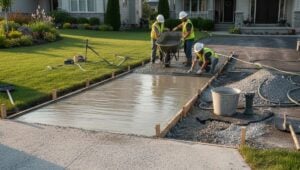
This comprehensive guide delves into the world of sidewalk repair in NYC, offering valuable insights on common problems, costs, contractor selection, repair processes, and more. We’ll explore how licensed concrete contractors in New York deliver affordable yet high-quality services, focusing on areas like Brooklyn concrete repair and concrete repair in Brooklyn. By incorporating variations such as sidewalk repair in New York, we aim to provide readable, informative content that empowers property owners to make informed decisions. Whether you’re facing a DOT violation or simply want to enhance your property’s curb appeal, this post will equip you with the knowledge needed to ensure safe and smooth walkways for every property.
Understanding Sidewalk Repair in NYC: Regulations and Responsibilities
Navigating the regulations surrounding sidewalk repair in NYC starts with recognizing the legal obligations imposed on property owners. According to the New York City Department of Transportation (DOT), property owners are responsible for installing, repairing, and maintaining sidewalks adjacent to their properties, including the removal of snow, ice, dirt, and other debris. This duty extends to all types of properties, from single-family homes to commercial buildings, and failure to comply can result in violations, fines, or even the city performing the repairs and billing the owner.
Specifically mandates that owners keep sidewalks in a “reasonably safe condition,” which means addressing defects that could cause injuries. For instance, if a DOT inspector identifies issues like cracks or uneven flags during routine checks, a Notice of Violation is issued, giving owners typically 75 days to rectify the problem. In cases involving tree roots damaging sidewalks in front of one-, two-, or three-family residential properties, the NYC Parks Department’s Trees & Sidewalks Program may offer free repairs, but owners must apply and meet eligibility criteria.
Failing to address sidewalk issues can lead to severe consequences. Each year, nearly 30,000 New Yorkers visit emergency rooms due to sidewalk-related falls, often from cracks, raised slabs, or uneven pavement. Legally, owners can be held liable for injuries if negligence is proven, underscoring the importance of proactive sidewalk repair New York initiatives. To start, owners should obtain a sidewalk repair permit from the DOT, which costs linear feet of sidewalk. This regulatory framework ensures that all concrete sidewalk repair NYC projects contribute to a safer urban environment.
In summary, understanding these regulations is the first step toward compliant and effective sidewalk repair in NYC. By staying informed, property owners can avoid costly penalties and enhance community safety.
Common Sidewalk Problems in New York City
Sidewalks in New York City face a barrage of challenges due to the city’s dense population, variable weather, and aging infrastructure. One of the most prevalent issues is cracks and fractures, which can develop from freeze-thaw cycles where water seeps into small fissures, expands when frozen, and widens them over time. These cracks not only mar the appearance but also create tripping hazards, especially in high-traffic areas like Manhattan sidewalks.
Uneven surfaces are another common problem, often caused by settling soil, poor initial installation, or external pressures like heavy vehicles parking on curbs. In Brooklyn, where tree-lined streets are abundant, exposed tree roots frequently lift sidewalk flags, creating raised edges that exceed the DOT’s allowable 1/2-inch height differential for violations. Potholes and depressions form from similar erosion processes, collecting water and accelerating deterioration, while poor drainage leads to standing water that exacerbates slipping risks and further breaks down the concrete.
In winter, ice and snow accumulation pose immediate dangers if not cleared promptly, as required by law within four hours after snowfall ends. Construction debris from ongoing building projects can also obstruct paths, while in areas like Queens, obstructions from overgrown vegetation or improperly placed utilities add to the hazards. Cracked surfaces, tree root damage, broken slabs, and improper slopes are among the top violations cited by the DOT.
For Brooklyn concrete repair specifically, issues like heaved slabs from roots are rampant in neighborhoods like Park Slope, requiring specialized techniques to shave roots or ramp over them without harming trees. In Manhattan, high pedestrian volume amplifies wear, leading to faster degradation. Addressing these problems early through regular inspections can prevent minor issues from escalating into major repairs, saving costs in the long run.
Overall, recognizing these common sidewalk problems in New York City is key to timely intervention. Property owners should monitor for signs like water pooling, visible cracks wider than 1/4 inch, or any unevenness that could cause falls. By doing so, they contribute to safer streets and comply with sidewalk repair in NYC standards.
The Cost of Sidewalk Repair in NYC: What to Expect
When planning for sidewalk repair in NYC, understanding the costs involved is crucial for budgeting. On average, repairs range per square foot, with residential projects typically costing between for a standard 25-square-foot section. Commercial or larger sidewalks in areas like Manhattan can exceed depending on the extent of damage and location.
Factors influencing costs include the type of repair: simple patching for hairline cracks might per square foot, while full replacement with 4,000 PSI concrete can push prices higher. In Brooklyn concrete repair scenarios, tree root issues may add expenses for root pruning or ramping, potentially increasing totals by 20-30%. Permit fees are fixed linear feet, but additional costs for inspections, materials like expansion joint fillers, or specialized finishes in landmark areas can accumulate.
Labor rates for licensed concrete contractors in New York vary, with unionized workers in the city commanding higher wages, but this ensures quality and compliance. For concrete repair Brooklyn, costs might be slightly lower than in Manhattan due to accessibility, but urgency from violations can lead to rush fees.
To minimize expenses, obtain multiple quotes and consider preventive maintenance. For instance, sealing concrete every few years can extend lifespan and reduce future repair needs. Some programs, free repairs for tree-damaged residential sidewalks, can offset costs entirely if eligible.
In essence, while sidewalk repair costs in New York can seem daunting, choosing affordable, high-quality services from experienced contractors ensures value. Always factor in long-term savings from durable repairs that prevent recurring issues.
Choosing the Right Concrete Contractors in New York
Selecting the ideal concrete contractors in New York for your sidewalk repair in NYC project requires careful consideration to ensure quality, compliance, and affordability. Start by verifying licenses and insurance: Reputable contractors should hold a Home Improvement Contractor license from the NYC Department of Consumer Affairs and carry liability insurance to protect against on-site accidents.
Look for local expertise, especially in areas like Brooklyn concrete repair, where knowledge of DOT specifications and common issues like root damage is vital. Review portfolios and references to gauge past work, ask for photos of completed projects, and contact previous clients for feedback on timeliness and workmanship.
Obtain detailed written estimates from at least three contractors, comparing not just price but also materials, timelines, and warranties. A good contractor will explain the concrete mix (e.g., 4,000 PSI for durability) and why it’s suitable. Certifications from organizations like the American Concrete Institute add credibility.
Communication is key: Choose contractors who respond promptly and explain processes clearly. For concrete repair in Brooklyn, prioritize those familiar with borough-specific challenges like narrow streets or historic districts.
Avoid red flags like unusually low bids or pressure to pay upfront. Instead, opt for those with a solid reputation, perhaps through online reviews or recommendations. By following these steps, you’ll secure licensed professionals who deliver safe, smooth walkways.
The Sidewalk Repair Process: Methods and Materials
The sidewalk repair process in NYC begins with assessment and permitting. Contractors inspect the site to identify defects, then secure a DOT permit. For minor issues, patching with concrete filler is used, while severe damage requires full replacement: removing old flags, preparing the base with gravel, and pouring new 4-inch-thick concrete.
Materials include high-strength 4,000 PSI concrete, expansion joint fillers, and sometimes tints for matching existing surfaces. In innovative approaches, self-healing concrete or AI-monitored repairs are emerging for longevity. For tree root problems, ramping or root barriers preserve trees while smoothing surfaces.
The timeline varies: Small repairs take 1-2 days, larger ones up to a week, including curing time. Post-repair, a DOT dismissal inspection confirms compliance. This methodical approach ensures durable concrete sidewalk repair NYC results.
Benefits of Professional Sidewalk Repair in Brooklyn, Queens, Manhattan, and Beyond
Hiring professionals for sidewalk repair in NYC offers numerous benefits, starting with enhanced safety by eliminating trip hazards. In Brooklyn, where concrete repair addresses root-heaved slabs, it prevents accidents and liabilities.
Aesthetically, well-maintained sidewalks boost property values and curb appeal, potentially increasing home prices. Compliance with DOT rules avoids fines, while durable materials like concrete ensure long-term performance against NYC’s elements.
In Queens and Manhattan, professional services promote accessibility for all, including those with disabilities. Overall, it fosters community well-being and economic value.
NYC DOT Sidewalk Violation Removal: How It Works
Receiving a DOT violation for sidewalk issues in NYC requires swift action. Owners have 75 days to repair and request a dismissal inspection via 311. The process involves hiring a contractor, completing repairs per specs, and submitting proof for violation removal.
For tree-related damage, the Parks program handles repairs free for eligible properties. Professional help guarantees dismissal, avoiding liens.
How to Properly Maintain Concrete Sidewalks to Maximize Their Lifespan and Performance
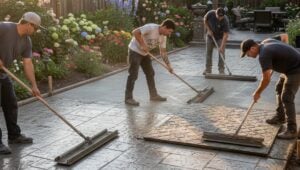
To extend the life of your concrete sidewalks in New York, regular cleaning removes debris and prevents staining. Seal annually to protect against moisture and de-icers. Address cracks early with fillers, manage tree roots, ensure proper drainage, and use salt sparingly in winter.
Inspect seasonally for issues, and pressure wash yearly. These tips minimize the need for frequent sidewalk repair in NYC.
Conclusion
In conclusion, affordable and high-quality sidewalk repair in NYC is essential for safe, compliant walkways that enhance property value and community safety. From understanding regulations to choosing contractors and maintaining surfaces, this guide provides the insights needed for successful projects. For expert assistance, turn to NYC Sidewalk Repair, your trusted partner in delivering durable solutions. By prioritizing professional sidewalk repair in New York services, including Brooklyn concrete repair and concrete repair in Brooklyn, you ensure smooth paths for years to come.