
In the bustling streets of New York City, where millions of footsteps tread daily, maintaining safe and durable sidewalks is essential for urban life. If you’re searching for reliable sidewalk contractors in New York City, look no further than experts who specialize in high-quality repair and installation services that comply with strict city regulations. These professionals ensure your property’s walkways are not only functional but also enhance the aesthetic appeal of your neighborhood.
Introduction
New York City’s sidewalks are the lifelines of its vibrant communities, connecting residents, businesses, and visitors across five boroughs spanning over 12,000 miles of pedestrian pathways. As a property owner or manager, finding trusted sidewalk contractors in New York City can make all the difference in addressing common issues, such as cracks, uneven surfaces, and violations from the Department of Transportation (DOT). This comprehensive guide dives deep into the world of sidewalk contractors in NYC, offering valuable insights on everything from common problems to choosing the right team for NYC sidewalk repair or replacement. Whether you’re dealing with a sidewalk repair near me query or planning a full installation in Brooklyn, understanding the intricacies of these services ensures compliance, safety, and longevity.
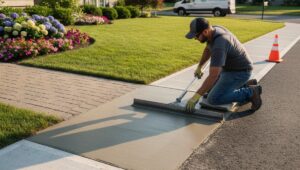
Property owners in NYC bear the responsibility for maintaining adjacent sidewalks, as mandated by city law. Failure to do so can result in hefty fines, legal liabilities, and even accidents. That’s where professional sidewalk contractors in New York City step in, providing expertise in repairs that meet DOT standards, such as 5×5-foot flags, proper slopes, and expansion joints every 20 feet. In this post, we’ll explore the key aspects of hiring sidewalk contractors in Brooklyn or across the city, including secondary considerations like NYC sidewalk replacement options. By the end, you’ll have the knowledge to make informed decisions, avoiding common pitfalls and ensuring your project is handled with the utmost professionalism.
The Importance of Sidewalks in New York City’s Urban Landscape
Sidewalks in New York City are more than just concrete paths; they are integral to the city’s infrastructure, supporting economic activity, public safety, and accessibility. With over 8.5 million residents and countless tourists, these walkways endure immense wear from foot traffic, weather extremes, and urban elements like tree roots and construction. Trusted sidewalk contractors in New York City play a crucial role in preserving this network, ensuring compliance with the Americans with Disabilities Act (ADA) and local codes that prioritize pedestrian safety.
Consider the economic impact: Well-maintained sidewalks boost property values and attract businesses, while neglected ones can lead to violations and decreased foot traffic. For instance, in commercial areas, smooth sidewalks encourage shopping and dining, contributing to the city’s trillion economy. Residential neighborhoods benefit too, as safe walkways promote community interaction and reduce injury risks. Insights from experts highlight that proactive maintenance by sidewalk contractors in NYC can prevent minor issues from escalating into costly overhauls.
Moreover, sidewalks contribute to environmental sustainability. Permeable materials used in modern installations help manage stormwater runoff, reducing flooding in flood-prone areas like Lower Manhattan. When hiring for sidewalk repair near me, prioritize contractors who incorporate eco-friendly practices, such as using recycled aggregates in concrete mixes. This not only aligns with NYC’s green initiatives but also extends the lifespan of your installation.
In essence, investing in quality NYC sidewalk repair isn’t just about fixing cracks; it’s about upholding the city’s dynamic spirit. Property owners who partner with experienced sidewalk contractors in New York City ensure their contributions to this urban tapestry are durable and compliant.
Common Sidewalk Problems in New York City and Their Causes
New York City’s sidewalks face a barrage of challenges due to its dense population, harsh winters, and aging infrastructure. Understanding these issues is key to seeking timely interventions from sidewalk contractors in New York City.
One prevalent problem is cracks and fractures, often caused by freeze-thaw cycles where water seeps into pores, expands upon freezing, and weakens the concrete. These can range from hairline cracks to larger fissures that pose tripping hazards. Uneven surfaces, another common defect, arise from settling soil, poor initial installation, or heavy loads from vehicles illegally parking on curbs.
Potholes and depressions form due to erosion beneath the surface, exacerbated by rainwater and inadequate drainage. In areas with mature trees, exposed roots push up slabs, creating trip hazards, a frequent issue in Brooklyn’s tree-lined streets, leading to sidewalk contractors in Brooklyn being in high demand.
Improper slopes can direct water toward buildings, causing foundation damage, while collapsed sections often result from underground utility work or natural subsidence. Ice and snow accumulation in winter amplifies these risks, turning minor defects into slippery dangers.
Construction debris from ongoing projects can also mar surfaces, highlighting the need for regular inspections. According to NYC DOT, property owners must address these defects promptly to avoid violations. Engaging sidewalk contractors in NYC early can mitigate these problems through targeted repairs, preventing escalation, and ensuring pedestrian safety.
To illustrate, in residential zones, tree roots account for up to 30% of violations, while commercial areas see more wear from foot traffic. Homeowners searching for sidewalk repair near me should note that ignoring these can lead to fines starting at per violation. Professional assessment by trusted contractors identifies root causes, offering long-term solutions like root barriers or slab lifting.
Navigating NYC Regulations and Requirements for Sidewalk Work
Compliance with NYC regulations is non-negotiable when engaging sidewalk contractors in New York City. The Department of Transportation (DOT) oversees sidewalk maintenance, requiring property owners to install, repair, and maintain adjacent walkways at their expense.
Key rules include obtaining a sidewalk repair permit before any work begins, which costs for every 300 linear feet. Permits are mandatory for repairs, replacements, or new installations, especially in public domains or near commercial properties. Contractors must adhere to DOT’s Standard Highway Specifications, including concrete thickness of at least 4 inches, slopes not exceeding 2%, and materials like high-strength concrete.
For tree-related damage, coordination with NYC Parks is essential, as they may provide free repairs if roots are the culprit, though wait times can be long. Independent contractors familiar with these specs can expedite the process.
Violations are issued for defects like cracks over 1/2 inch, uneven flags, or improper drainage. Property owners have 75 days to correct issues after a citation, or face fines up to $1,000 or more for repeat offenses. Liability is non-delegable, meaning owners can’t shift responsibility to tenants or contractors.
Ensure your contractor handles permit applications, which involve submitting plans and proof of insurance. This bureaucratic layer underscores the importance of experienced sidewalk contractors in New York City, who navigate these requirements seamlessly, avoiding delays and penalties.
Sidewalk Repair vs. Replacement: Which is Right for Your Property?
Deciding between repair and replacement is a critical choice for property owners seeking sidewalk contractors in New York City. Repairs are ideal for minor issues like small cracks or uneven spots, foot and extending the sidewalk’s life without full demolition.
Methods include crack filling with epoxy or polyurethane, slab lifting via mudjacking, or patching potholes. These are quicker, less disruptive, and environmentally friendlier, preserving existing materials.
Replacement, however, is necessary for extensive damage, such as widespread cracking or structural failure. The process involves removing old concrete, preparing the base with gravel, and pouring new slabs to DOT specs. It’s more expensive but ensures longevity, especially in high-traffic areas.
Factors influencing the decision include damage extent, budget, and future plans. For example, if violations involve multiple flags, replacement might be more cost-effective long-term. Consult sidewalk contractors NYC for assessments; many offer free inspections to recommend the best approach.
In Brooklyn, where soil settlement is common, replacements often incorporate reinforced bases to prevent recurrence. Ultimately, choosing repair saves money initially, while replacement invests in durability.
Materials Used for High-Quality Sidewalk Installation and Repair
Selecting the right materials is foundational to successful projects handled by sidewalk contractors in New York City. Concrete remains the gold standard, prized for its durability, affordability, and compliance with DOT requirements. High-strength mixes with 4,000 PSI rating are common, often incorporating air-entraining agents for freeze-thaw resistance.
Asphalt is used in some repairs for its flexibility and quick installation, ideal for temporary fixes or areas with heavy vibration. Pavers, like bluestone or granite, add aesthetic value in historic districts, though they require approval and are more expensive.
Rubber sidewalks, made from recycled tires, offer resilience against roots and cracks, promoting sustainability. Natural stone provides elegance but demands skilled installation to meet slope and joint specs.
For repairs, epoxy resins seal cracks, while geotextiles stabilize bases. In NYC sidewalk replacement, permeable concrete helps with stormwater management, aligning with green building codes.
Experienced contractors balance cost, durability, and aesthetics. Always verify materials meet city standards to avoid rework.
How to Choose a Reliable Sidewalk Contractor in NYC
Selecting the right sidewalk contractors in New York City requires due diligence to ensure quality and compliance. Start by verifying licensing: Contractors need a Home Improvement Contractor (HIC) license from the Department of Consumer Affairs and DOT approval for sidewalk work.
Check insurance, general liability, and workers’ comp are essential to protect against accidents. Read reviews on platforms where top-rated firms boast 4.5+ stars. Request references and view past projects.
Experience matters: Look for firms with 15+ years in NYC sidewalk repair, familiar with borough-specific issues like Brooklyn’s tree roots. Get multiple quotes, but beware low bids that skimp on materials.
Exemplifies a trusted provider, offering comprehensive services from violation removal to installation.
Ensure they handle permits and provide warranties; reputable ones offer 5-10 years on workmanship. Red flags include no written contracts or pressure tactics.
The Step-by-Step Process of Sidewalk Repair and Installation
Engaging sidewalk contractors in New York City involves a structured process for optimal results. It begins with an inspection to assess damage and plan repairs.
Next, obtain permits from DOT, submitting drawings and fees. Site preparation includes demolishing damaged sections and grading the base with gravel for drainage.
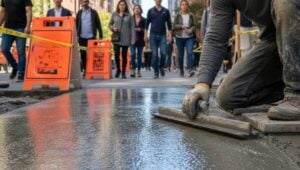
Pouring concrete follows, using forms for 5×5 flags, with finishing for smooth surfaces and joints. Curing takes 7-28 days, during which barriers protect the area.
For installations, similar steps apply, ensuring ADA ramps if needed. Post-work, a DOT inspection certifies compliance.
Timeline: Repairs in 1-3 days, replacements 3-7 days, weather permitting.
Proven Strategies for Keeping Your New York City Sidewalks Safe, Clean, and Compliant
Maintenance extends the life of work by sidewalk contractors in New York City. Regular inspections spot early cracks; clean debris quarterly.
Seal concrete every 2-3 years to protect against moisture. Address roots promptly with barriers.
In winter, use safe de-icers to avoid pitting. Avoid heavy loads and report utility issues.
Proactive care prevents violations and costly fixes.
Conclusion
In summary, trusted sidewalk contractors in New York City are vital for maintaining safe, compliant walkways amid the city’s challenges. From addressing common defects to navigating regulations and choosing materials, this guide provides the insights needed for successful projects. Whether for sidewalk repair near me or full NYC sidewalk replacement, prioritize expertise to avoid fines and enhance property value. Partnering with reliable sidewalk contractors in NYC ensures high-quality results that stand the test of time.